Blackhawk Roofing
September 17, 2021

Blackhawk Roofing will replace most of your roofing system components and accessories during a residential roof replacement.
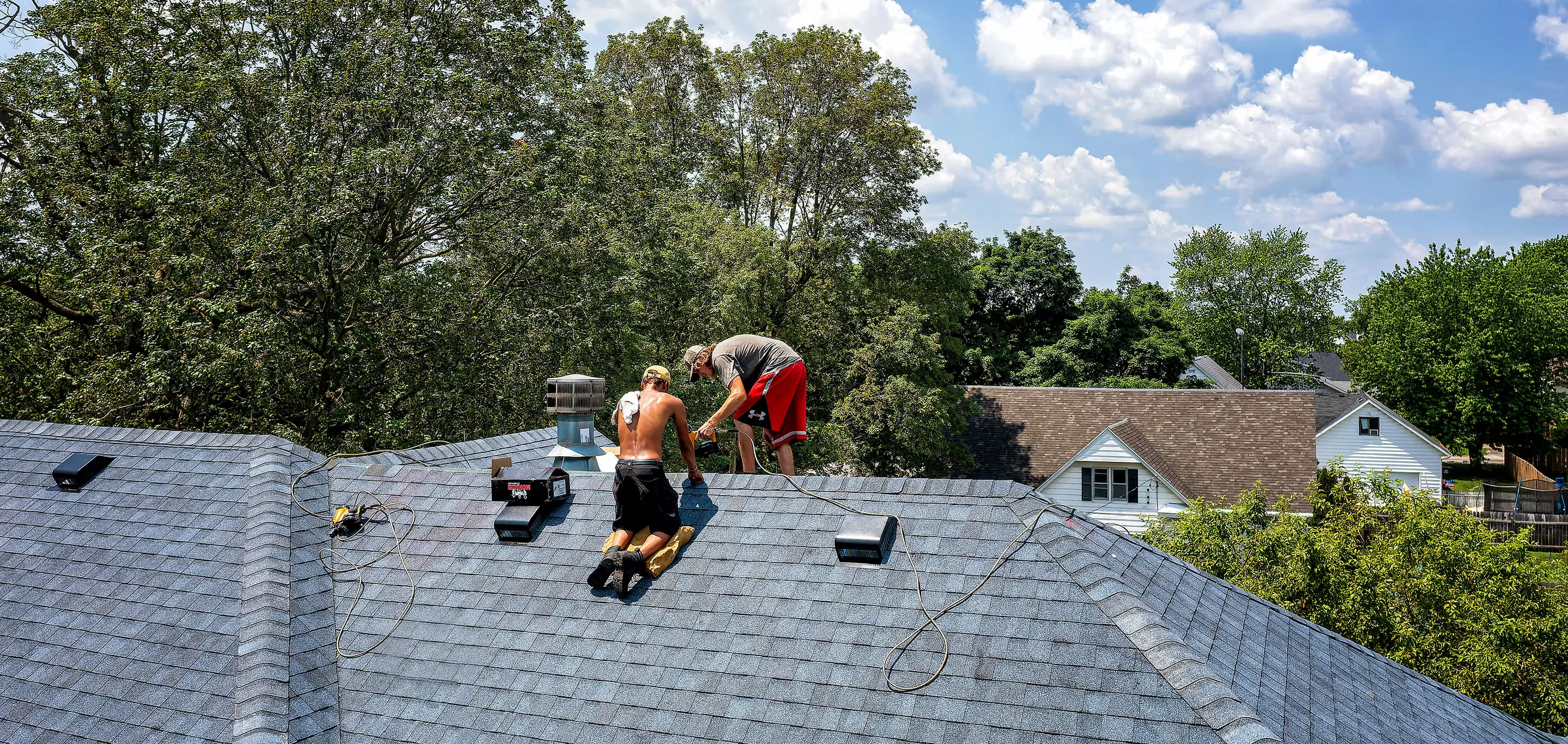
Every part of your roof has a crucial job to keep you and your family protected from the elements. Most of your roof system's components and accessories will be replaced when you get an asphalt roof replacement. But your decking might be left alone if the boards are still in good condition.
Residential roof installation comprises multiple layers of materials. Roofing materials such as shingles, underlayment, metal flashing, and insulation make up the roof surface. These components work together to form a complete roof system that protects your home from external weather events such as harsh rain and snowfall. To ensure a long-lasting, secure roof system, it is essential to understand the importance of each material and how they interact to maintain structural integrity. By understanding what goes into the residential roof installation process, you can be sure that your home is always well protected against any weather that may cause damage to your property.
Residential roof installation decking is an integral part of the process, as it is what your shingles and other components are attached to. Decking can come in various shapes, sizes, and materials, which should be chosen based on the project’s requirements. In some cases, we may need to replace your roof’s decking to install roofing components during a roof replacement properly – this isn’t something we can determine until we tear off the old roof, though. If rotten deck boards are discovered at this stage, they must be replaced before installation to ensure the frame's integrity. However, if the original deck boards present a sound structure for the new asphalt roof, no replacements are necessary.
Residential roof flashing is essential for any home, providing an important layer of protection from weather elements. Roof flashing is metal placed where your shingles butt up against something, like a wall or chimney, or in open valleys. In some cases, such as when upgrading from a 3-tab to a dimensional asphalt shingle, roof flashing will need to be replaced. If the existing flashing looks undamaged and the metal's integrity remains intact, it can stay as-is with no need for replacement. Being observant about checking for damage and potential replacements is key to ensuring your home retains complete protection from inclement weather.
Residential roof underlayment is a necessary part of any rooftop system. It is a felt or synthetic material that protects the decking underneath, ensuring it withstands the elements for years to come. Without investing in quality underlayment during your roof replacement, you risk leaving your home exposed to potential damage from rain and snow. The ultimate goal of this crucial component is to prolong the life of your rooftop system. With high-quality underlayment, you’ll know your decking will remain safe and secure well into the future.
Residential homes require a drip edge, also known as metal flashing, at the edge of the roof to direct water away from the fascia and other exterior components. When an asphalt roof replacement is due, the old drip edge must usually be removed and replaced with a new one to protect your property from potential water damage. An appropriately fitted and functional drip edge can provide an excellent safeguard against weather conditions, such as wind-driven rain, ice dams, wind-whipped snow, etc., so it's essential to ensure that you have one installed, up to code, and in proper condition.
Residential roof ice-and-water shielding is an essential component of a functioning, waterproof roof. As the name implies, it shields against water flow in two ways by preventing both ice dam formation and water damage. It can provide extra protection against snow and rain in areas, such as your roof valleys, that are more prone to leakage. The importance of installing new ice-and-water shields correctly around all your roof penetrations during a replacement should not be overlooked, as failure to do so may result in you losing some of their benefits.
Residential roof asphalt shingles are typically the first thing people think of when they hear the words “roof replacement”. However, while shingles play a significant role in your entire roof system, they are not the only component to consider when you need a complete replacement. Your entire roof is made up of different materials and components designed to work together for maximum protection against external elements. As such, when replacing your roof, it’s essential to pay attention to more than just the shingles you see on top. Doing so will ensure your newly replaced roof is ready for whatever weather Mother Nature has in store.
Residential ridge caps are a crucial component of any roofing system and must be replaced during a roof replacement. Ridge capping, which is the trim installed at the peak where two roof slopes meet, is thicker than regular shingles and pre-bent, so it follows the ridges of your roof. Residential ridge caps are designed to cover exposed nails from other components, such as tiles and shingles, preventing rainwater from seeping in through these vulnerable points. Additionally, they add aesthetic appeal that contributes to your home's overall look. All in all, proper installation of residential ridge caps is integral to ensuring your roof looks great and protects you from potential leaks or structural damage caused by loose shingles or adverse weather conditions.
Residential roof vents ensure your attic has the proper ventilation to prevent trapped hot and cold air from compromising your roof. An attic with inadequate airflow will reduce the life of a roof, meaning you’ll need to get it replaced sooner rather than later. Fortunately, modern roof replacement solutions include roof vents that help keep your attic primed for precise, constant airflow. You always have the option to upgrade or replace your existing roof vents depending on your needs and budget. Keeping residential roof vents in good condition is essential for maintaining any rooftop, as they act as gatekeepers to ensure the structure stays up and running optimally.
Residential roof pipe boots are an inexpensive and easy way to protect your home from water entering through the roof pipes. By covering the pipes with these rubber boots, you can prevent any leaks caused by water running down the pipe into the house. These boots must be replaced when homeowners get a new asphalt roof, so they can be sure there will be no issues with their homes. Not only do these boots keep water out of the house, but they also add an extra layer of insulation, making your home even more efficient and comfortable. With residential roof pipe boots, you can rest assured knowing your home is safe from any water or air leaks caused by inadequate protection around roof pipes.
Blackhawk Roofing has built replacement roofs for thousands of residential and commercial customers in Springfield and Central Illinois. We've also done many hundreds of roof repairs. Blackhawk Roofing provides outstanding value on every project. Call owner Dan Schnell at 217-741-6251 to request a Free Estimate.
Blackhawk Roofing is a licensed, certified, and insured roofing contractor. We specialize in residential roofing and EPDM commercial roofing. We have repaired or replaced thousands of old and damaged roofs in Springfield and Central Illinois.