Blackhawk Roofing
December 6, 2025

Here are some problem areas associated with gutters, fascia, and flashing. If you're experiencing leaks or seepage, be sure to call us right away.
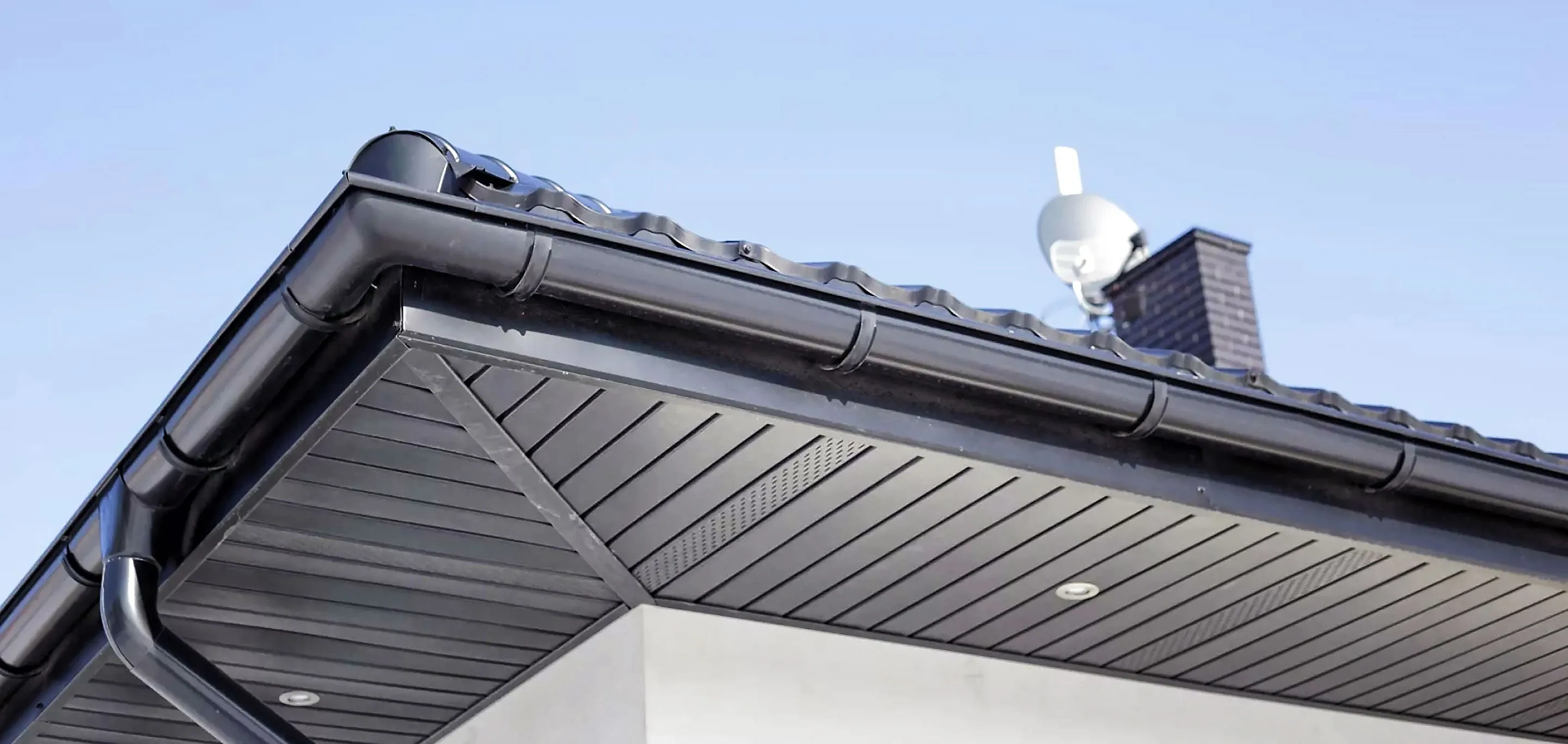
Roof inspections are an essential part of home maintenance. Inspections allow you to get ahead of leaks and spare you from costly damage. Here are some of the typical problem areas associated with a roof.
Gutters are one of the most critical aspects of your home and can significantly enhance its curb appeal. Not only do gutters help direct rainwater away from a roof, wall, and foundation, but they also prevent damage. As gutters age or sustain damage, they must be replaced promptly to maintain their function and protect your home's structure. With this in mind comes the need to understand budgeting and how much it will cost to replace the gutters on your roof. It's essential to equip yourself with this knowledge so you can effectively plan when needed.
After affixing new gutters to your roof, downspouts should be an integral part of your installation. These essentials are essential because they direct water away from your home and down to the ground. This is a key step in ensuring that rainwater does not cause leaks and flooding, which can lead to costly and damaging repairs down the line. Taking this preventative measure with downspouts complements the goal of replacing your gutters: protecting your home from water damage and rot caused by heavy downpours.
When it comes to replacement gutters, material choice is key. You can choose among material options, such as PVC, aluminum, steel, or copper, and each has its own pros and cons to consider. For instance, PVC is usually the most affordable option, but it can be less durable over time compared to more expensive materials like copper. Ultimately, the material you select becomes a long-term investment in your roof and your home's aesthetic. Therefore, choosing wisely upfront helps protect your gutter system from costly repairs and replacements down the road.
Regular maintenance of your roof is essential to ensure it is in its best condition and continues to provide the protection it was designed to. A key component of maintenance is caring for the gutter and fascia. The roof will eventually need replacing, but with proper care, you can extend its life and avoid frequent repairs or a total replacement. Here are a few simple tips to help you save money in maintenance costs: cleaning gutters, regularly clearing debris from flat roofs, using guards or screens to prevent obstructions in gutters, fixing any visible fascia damage quickly, trimming trees that could damage your roof from bumping into them or losing branches onto your roof, repairing or replacing aged sealant around flashing components annually and more! Taking some time out of your schedule to perform maintenance on these aspects can make a massive difference in helping maintain the longevity of your roof.
Keeping your gutters clean at least twice a year is essential for home maintenance. When dirt and debris accumulate in your gutters, they can leak into your home, damaging the foundation and leading to mold growth. Ensure your roof is clean by using a ladder to reach the gutters around your property, and with the help of a scoop or trowel, remove any built-up material. Taking time to clean out your gutters and roof will keep you safe from costly damage caused by accumulations in this vital component of your home.
When it comes to the integrity of your home, loose gutters can have serious consequences. Before you start cleaning out any debris or dirt from your gutters, take a moment to inspect that they are securely fastened to the eaves of your roof. If there is any indication that they're loose, be sure to get them reattached right away, as loose gutters can easily fall and cause damage to your home and anyone moving around outside it. Ensure the safety of your property by properly inspecting and maintaining gutters for optimal protection.
If you're looking to keep your home's fascia safe from water damage, the drip edge is your best line of protection. Installed along the edges of a roof gutter, drip edges are designed to divert water away from the fascia and disperse it evenly over the gutter. Without drip edges, water can escape from the gutter and drip behind the fascia — leading to moisture build-up and ultimately causing leaks in your home's structure. Installing drip edges is an effective and efficient way to protect your home from potentially costly and damaging repairs.
Fascia boards are an essential part of your home's roofing system, designed to withstand the elements' wear and tear over time. However, if you notice signs of rot, mold, mildew, or cracks, it's crucial to replace the fascia boards promptly to prevent further damage that can spread to other areas of your home. Taking care to replace fascia boards as soon as possible can help keep your home safe and secure for many years to come.
Roof flashing is an essential component of your roofline and can significantly extend your roof's lifespan. It's a thin, weatherproof material that serves as a water barrier, forming tight seals around vents, chimneys, pipes, and other protrusions that traditional shingles may not protect. Flashing is typically composed of rust-resistant materials, such as aluminum, zinc, or copper, and these sturdy materials ensure that water doesn't seep through to damage your home's interior. As flashing also protects from wind and ice damage, it should be adequately sealed with a strong plastic sealant for maximum efficiency.

Blackhawk Roofing has built replacement roofs for thousands of residential and commercial customers in Springfield and Central Illinois. We've also done many hundreds of roof repairs. Blackhawk Roofing provides outstanding value on every project. Call owner Dan Schnell at 217-741-6251 to request a Free Estimate.

Blackhawk Roofing is a licensed, certified, and insured roofing contractor. We specialize in residential roofing and EPDM commercial roofing. We have repaired or replaced thousands of old and damaged roofs in Springfield and Central Illinois.